2026 Best Full Body Light Therapy Device
Full body light therapy has moved from clinical settings into American homes, becoming a mainstream wellness tool for skin health, recovery, pain relief, and body shaping. In 2026, device technology has advanced significantly, with more powerful wavelengths, improved coverage, and new hybrid systems that combine LED and laser light.
This guide explains how full body light therapy works, which device types are best, what features matter most, and how to choose the best full body light therapy device for your needs in 2026.
What Is Full Body Light Therapy?
Full body light therapy uses specific wavelengths of red and near-infrared (NIR) light to stimulate cellular activity across large areas of the body. These wavelengths penetrate the skin and underlying tissue, supporting mitochondrial function, circulation, and tissue repair.
Unlike targeted devices for the face or joints, full body systems are designed to deliver uniform light exposure to multiple muscle groups and organs at once, making them ideal for systemic wellness benefits.
Benefits of Full Body Light Therapy
When used consistently, full body light therapy may support a wide range of wellness and recovery goals:
Improved skin tone, elasticity, and anti-aging support
Enhanced blood circulation and oxygen delivery
Faster muscle recovery and reduced soreness after workouts
Joint comfort and pain relief
Reduced inflammation
Metabolic support and body contouring assistance
Relaxation and improved sleep quality
Because the treatment is non-invasive and drug-free, many users integrate it into daily or weekly wellness routines.
Types of Full Body Light Therapy Devices in 2026
In 2026, full body light therapy devices generally fall into four main categories. Understanding the differences is essential before making a purchase.
1. Full Body Panels
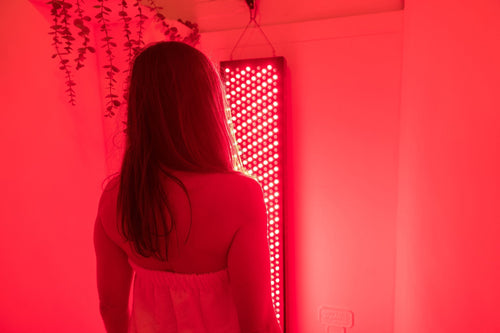
Panels are vertical or horizontal units that emit red and near-infrared light across a wide area. Users typically stand, sit, or lie in front of the panel.
Best for: Athletes, biohackers, and users seeking high power output and customization.
Pros: Strong irradiance, adjustable distance, long lifespan.
Cons: Large footprint, higher cost, requires dedicated space.
2. Light Therapy Sleeping Bags
Sleeping bag-style devices wrap around the body, delivering consistent, close-range light exposure while the user lies down.
Best for: Full-body relaxation, recovery, and convenience at home.
Pros: Even coverage, hands-free use, comfortable, space-efficient.
Cons: Less customizable than panels, typically used in one position.
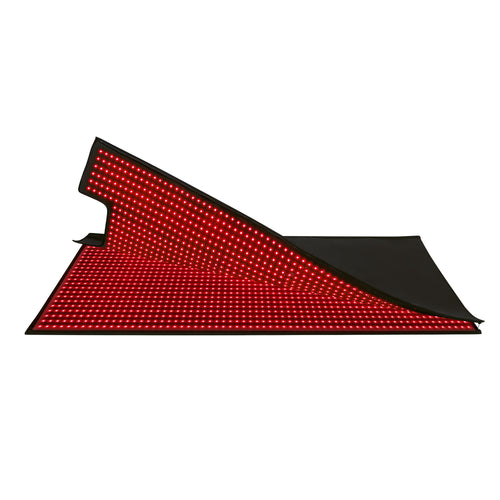
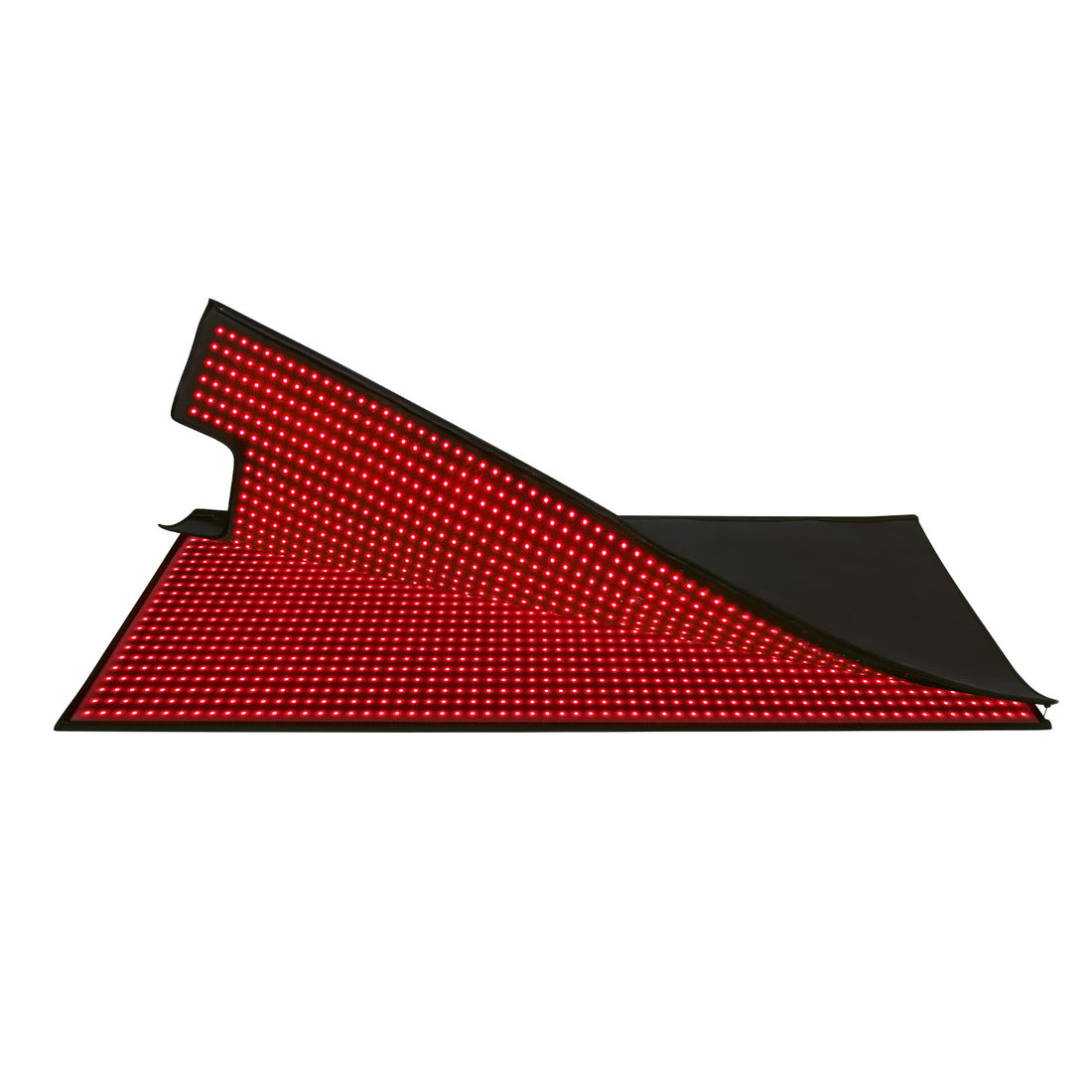
3. Light Therapy Blankets
Light therapy blankets are flexible, foldable systems that can be used on beds, sofas, or floors.
Best for: Users who want portability and partial or full-body sessions.
Pros: Easy storage, versatile positioning, lower entry cost.
Cons: May offer lower output compared to rigid systems.
4. Hybrid Laser + LED Systems
A growing trend in 2026 is hybrid devices that combine LED light with low-level laser technology. Laser light delivers more focused energy at the same wavelength, potentially improving penetration depth.
Best for: Users seeking higher-performance recovery and therapeutic effects.
Pros: Enhanced precision, stronger stimulation, advanced technology.
Cons: Higher price point, fewer brands offer true hybrid designs.
LED vs. Laser Light Therapy: What’s the Difference?

Both LED and laser devices can use the same wavelengths, such as 630nm, 660nm, 810nm, or 850nm. The key difference lies in light coherence and focus.
LED light spreads energy across a wider area, making it ideal for general wellness and skin benefits.
Laser light is more concentrated and directional, allowing deeper penetration and potentially stronger stimulation for muscles and joints.
In 2026, hybrid systems are gaining attention because they combine the coverage of LED with the intensity of laser technology.
Key Features to Look for in a Full Body Light Therapy Device
Before buying, evaluate these critical factors carefully.
Wavelengths
Look for clinically recognized wavelengths such as:
- Red light: 630nm or 660nm
- Near-infrared light: 810nm, 830nm, or 850nm
Multi-wavelength devices offer broader benefits.
Coverage Area
True full body devices should cover large muscle groups and core areas simultaneously, not just localized zones.
Power Output (Irradiance)
Higher irradiance allows shorter sessions and deeper penetration. Balance power with comfort and safety.
Comfort and Usability
Hands-free designs, soft materials, and intuitive controls significantly improve long-term consistency.
Safety Certifications
FDA registration, CE marking, and built-in timers are important indicators of quality and reliability.
How Often Should You Use Full Body Light Therapy?
Most users benefit from 3–5 sessions per week, with each session lasting 15–30 minutes, depending on device strength and goals. Consistency matters more than intensity.
Athletes may use it post-workout, while others prefer evening sessions for relaxation and recovery.
Who Should Consider a Full Body Light Therapy Device?
Full body light therapy is suitable for a wide range of users, including:
- Fitness enthusiasts and athletes
- Individuals with active lifestyles or physically demanding jobs
- People seeking anti-aging and skin health support
- Those looking for non-invasive recovery and wellness solutions
- Users interested in at-home alternatives to spa or clinic treatments
Is Full Body Light Therapy Worth It in 2026?
With advancements in light delivery, comfort, and hybrid technologies, full body light therapy devices in 2026 offer more value than ever before. Compared to recurring spa treatments or clinic sessions, at-home devices can be a cost-effective long-term investment in wellness and recovery.
Choosing the right device depends on your space, budget, and primary goals—but the benefits of consistent, full-body exposure make these systems increasingly popular across the U.S. market.
Final Thoughts
The best full body light therapy device in 2026 is not simply the most expensive or powerful—it is the one that fits seamlessly into your routine and aligns with your wellness goals. Whether you choose a high-powered panel, a comfortable sleeping bag, or a cutting-edge laser + LED system, informed selection is key to seeing real results.