How to Relieve Post-Workout Fatigue and Muscle Damage
Exercise is one of the most effective ways to improve overall health. It helps build muscle, boost metabolism, strengthen the immune system, and support mental well-being. Whether you’re lifting weights, running, or doing home workouts, consistent movement is essential for long-term wellness.
However, with regular training comes a common issue: fatigue and muscle damage.
After intense activity, your body goes through:
- Muscle micro-tears (necessary for growth)
- Inflammation and soreness
- Energy depletion
- Temporary stiffness and reduced mobility
This is often referred to as post-workout fatigue or delayed onset muscle soreness (DOMS).
While it’s a natural part of progress, excessive fatigue or poor recovery can lead to:
- Increased injury risk
- Reduced performance
- Slower muscle growth
- Burnout or inconsistency
That’s why recovery is not optional — it’s essential.
How to Reduce Workout Fatigue and Prevent Injury
The best way to deal with fatigue is to prevent excessive damage in the first place and support your body throughout the entire training cycle.
Benefits of Full Body Light Therapy
1. Warm Up Before You Train
A proper warm-up prepares your body for movement by increasing blood flow and activating your muscles.
Benefits of warming up:
- Reduces risk of strains and injuries
- Improves flexibility and joint mobility
- Enhances workout performance
Simple warm-up tips:
- 5–10 minutes of light cardio (walking, cycling)
- Dynamic stretches (leg swings, arm circles)
- Activation exercises (glute bridges, core engagement)
Skipping warm-ups is one of the most common causes of avoidable injuries.
⏱️ 2. Control Your Training Intensity and Frequency
More is not always better. Overtraining is a major reason people experience prolonged fatigue and injuries.
To stay safe:
- Avoid training the same muscle group every day
- Keep workouts within a manageable duration (30–60 minutes)
- Include rest days in your weekly plan
Your body needs time to repair and rebuild. Without rest, recovery cannot happen.
🧘♂️ 3. Focus on Post-Workout Recovery
What you do after your workout is just as important as the workout itself.
Basic recovery methods include:
- Stretching
- Hydration
- Protein intake
- Sleep
But for deeper and faster recovery, more advanced methods like red light therapy and EMS can significantly enhance results.
Red Light Therapy for Muscle Recovery
Red light therapy (RLT) is becoming a popular solution for athletes and fitness enthusiasts looking to recover faster.
How It Works
Red and near-infrared light penetrate the skin and stimulate cellular energy production (ATP). This accelerates the body’s natural repair process.
Key Benefits
- Reduces inflammation
- Speeds up muscle repair
- Improves circulation
- Relieves soreness and stiffness
Unlike traditional recovery methods, red light therapy works at the cellular level, making it especially effective for deep tissue healing.
When to Use
- After workouts
- Before sleep
- On rest days for recovery support
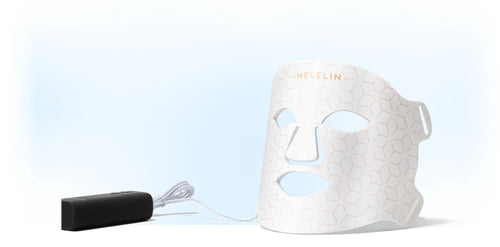
LED vs. Laser Light Therapy: What’s the Difference?
EMS Therapy for Muscle Relaxation and Recovery
EMS (Electrical Muscle Stimulation) is another powerful recovery tool.
How It Works
EMS sends electrical impulses to muscles, causing controlled contractions that:
- Increase blood flow
- Relax tight muscles
- Flush out metabolic waste
Key Benefits
- Reduces muscle tightness
- Improves circulation
- Supports faster recovery
- Activates muscles without strain
EMS is especially useful for targeted recovery, such as sore legs, lower back, or shoulders.
Recommended At-Home Recovery Devices
With modern at-home devices, you can easily bring professional-level recovery into your daily routine.
🔴 Red Light Therapy Devices
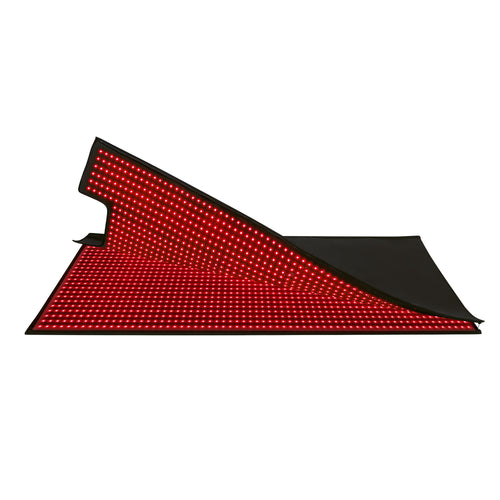
- Full-Body Light Therapy Bag or Mat
Ideal for overall recovery, reducing inflammation, and improving circulation after intense workouts. - Targeted Light Therapy Wraps or Panels
Great for focusing on specific areas like shoulders, knees, or lower back.
EMS Devices
- EMS Belts
Best for core activation and abdominal recovery. - EMS Leggings or Shorts
Perfect for post-leg-day recovery and toning. - EMS Vests
Designed for upper body muscle relaxation and posture improvement.
How to Use Red Light Therapy and EMS for Best Results
Here’s a simple routine you can follow:
Post-Workout Routine
- Red Light Therapy (10–20 minutes)
Apply to sore or trained areas
Helps reduce inflammation and initiate repair - EMS Session (10–15 minutes)
Use recovery or low-intensity mode
Relax muscles and improve circulation - Hydrate and Refuel
Drink water
Consume protein for muscle repair
Weekly Recovery Plan
- Workout Days: Light EMS + red light therapy
- Rest Days: Focus on recovery sessions
- Heavy Training Days: Prioritize red light therapy
Safety Tips
- Start with low intensity (especially for EMS)
- Avoid using on injured or irritated skin
- Stay hydrated before and after sessions
- Do not overuse — consistency is more important than intensity
Final Thoughts
Exercise is essential for a healthy life — but without proper recovery, it can lead to fatigue, discomfort, and even injury.
By combining smart habits like warming up, managing intensity, and prioritizing recovery, you can significantly reduce these risks.
And with advanced tools like red light therapy and EMS, recovery is no longer passive — it becomes active, efficient, and targeted.
Instead of waiting days to feel better, you can help your body recover faster, train smarter, and stay consistent with your fitness goals.