Is There Best Time of Day to Use Red Light Therapy?
One of the most common questions I hear about red light therapy is not about wavelength or device size, but timing. People want to know whether morning, afternoon, or evening sessions deliver the strongest results. The short answer is reassuring: red light therapy works at any time of day. The more helpful answer is that different times support different goals, and choosing the right moment can improve how your body responds.
Red light therapy does not behave like blue light. It does not overstimulate the nervous system or disrupt sleep. Instead, it supports cellular energy, circulation, and recovery. That said, your body follows a daily rhythm, and timing can help you align light therapy with what your body needs most.
Does Timing Actually Affect Red Light Therapy Results?
Red and near-infrared light work by stimulating mitochondrial activity, which helps cells produce more energy and repair themselves more efficiently. Your hormone levels, muscle tension, and nervous system activity change throughout the day, so your body may respond differently depending on when you use your device.
I do not see timing as a strict rule. I see it as a way to optimize results based on your goal, whether that goal involves skin health, pain relief, fitness recovery, or sleep quality. Consistency always matters more than the clock, but smart timing can enhance the experience.
Morning Red Light Therapy: Energy and Reset
Morning sessions work well for people who wake up feeling stiff, tired, or mentally foggy. Red light therapy in the morning helps loosen muscles, increase circulation, and support alertness without the harsh stimulation that comes from screens or overhead lighting.
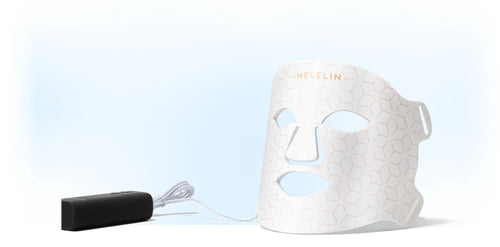
I often recommend morning use for facial treatments because it fits easily into a skincare routine. A red light therapy mask in the morning can support skin tone, calm inflammation, and prepare the skin for the day ahead. Morning sessions also work well for people who experience joint stiffness or muscle tightness after sleep.
Midday and Afternoon Use: Recovery and Sculpting Support
Midday or afternoon sessions pair especially well with physical activity. If you work out, sit for long hours, or use EMS sculpting devices, this time of day allows red light therapy to support muscle recovery and reduce inflammation while your body remains active.
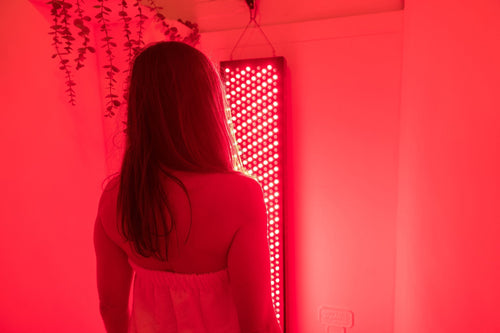
I see many people benefit from using red light belts, panels, or targeted pads during this window. Afternoon use can help relieve neck, back, or waist tension and support body-shaping routines by improving circulation and cellular activity. This timing often feels like a reset that helps people finish the day with less fatigue.
Evening and Nighttime Sessions: Relaxation and Repair
Evening is my favorite time to recommend red light therapy for anti-aging, pain relief, and stress reduction. Unlike blue light, red light does not suppress melatonin, so it works well before bed. Many people notice deeper relaxation and better sleep when they build red light therapy into their nighttime routine.
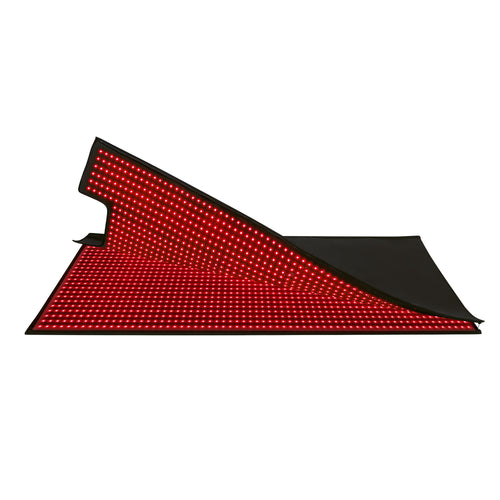
Night sessions support collagen repair, muscle relaxation, and nervous system calming. Devices like red light masks, sleeping bags, blankets, or laser headbands fit naturally into this time of day. For people with chronic pain, stress, or sleep difficulties, evening use often feels the most rewarding.
So, When Is the “Best” Time?
There is no single best time that works for everyone. The most effective time depends on what you want to improve. Morning sessions support energy and stiffness relief. Daytime sessions support recovery and sculpting. Evening sessions support skin regeneration, pain relief, and sleep.
What matters most is choosing a time you can maintain. Red light therapy delivers results through regular use, not perfect timing. A high-quality at-home device makes that consistency easy.
How I Recommend Fitting Red Light Therapy into Daily Life
I encourage people to treat red light therapy like brushing their teeth or applying skincare. Choose a time that feels natural, not forced. Some people prefer a short morning face session. Others unwind with a full-body sleeping bag at night. Both approaches work when you stay consistent.
The best routine is the one you actually follow.
Final Thoughts
Red light therapy does not require complicated scheduling. It works with your body, not against it. When you understand your goals and choose a reliable at-home device, you can benefit from red light therapy at any time of day.
If you want stronger results, focus on three things: the right wavelength, the right device for your needs, and a routine you can sustain. Timing then becomes a helpful tool, not a limitation.